Every home tells a story through the subtle signals it sends when structural systems begin to age, wear down, or fail entirely. For homeowners, learning to interpret these early indications can mean the difference between a quick, routine fix and a devastating financial hardship. While a residence is designed to offer protection, comfort, and security, its complex web of architectural, mechanical, and infrastructural components requires ongoing vigilance to remain in peak working order. Too often, minor discrepancies like a hairline fissure in a wall, a slight variation in water pressure, or a faint musty scent in the basement are dismissed as mere cosmetic imperfections or harmless quirks. In reality, these minor phenomena are often the initial symptoms of deep-seated issues that are actively compounding beneath the surface. Understanding how various structural elements interact helps property owners spot secondary complications early, such as how unmanaged humidity affects structural timbers or how minor electrical fluctuations put sensitive household appliances at serious risk of sudden overload.
Ignoring warning signs does not make them disappear; rather, it allows hidden damage to multiply exponentially over time. A small moisture intrusion can silently foster widespread mold growth, ruin surrounding timber, and degrade insulation value long before a major ceiling collapse occurs. Similarly, minor electrical flickering or faint mechanical rattling can indicate impending component failure that threatens both property safety and overall household peace. Developing a proactive mindset toward domestic upkeep empowers property owners to address structural integrity, environmental safety, and utility efficiency before catastrophic failures occur. By understanding what to look for, where to inspect, and how to evaluate the severity of unusual observations around the property, you can protect your investment, maintain high domestic efficiency, and ensure long-term comfort for everyone under your roof. Taking the time to establish an annual inspection checklist ensures no major system is overlooked during seasonal transitions.
Taking immediate action when warning signs surface also yields substantial long-term economic advantages. The expense of addressing an acute emergency at an inconvenient hour is almost always drastically higher than the cost of scheduled preventive servicing. Furthermore, unaddressed domestic failures can severely impact property resale valuation, leading to unfavorable inspection reports and costly mandatory repairs prior to closing a real estate transaction. Home ownership is an evolving responsibility that benefits immensely from regular routine walkthroughs, seasonal inspections, and a clear understanding of system lifespans. Embracing this protective approach allows you to preserve your home’s value, minimize unexpected expenditures, and foster a healthy, safe living atmosphere for many years to come.
1. Persistent Water Stains and Discoloration
When dark spots, yellowish rings, or bubbling paint appear on your ceilings or walls, moisture is actively infiltrating your interior living space. Dampness often travels along joists and studs before pooling in visible areas, making the original entry point difficult to spot without thorough investigation. Over time, constant moisture weakens drywall, promotes hazardous mold growth, and rots hidden framing structures. Beyond structural degradation, persistent dampness degrades wall insulation performance, leading to uneven temperature distribution and unexpected seasonal heating losses across adjacent living areas.
Common causes of interior moisture intrusion include:
- Leaking pipe joints behind drywall
- Damaged exterior flashing or missing shingles
- Condensation buildup from inadequate attic ventilation
Neglecting these discolored patches usually leads to sagging ceilings and extensive drywall replacements. Calling professional roofing companies at the first sign of upper-level moisture can prevent widespread structural decay and preserve interior finishes.
2. Mysterious Spikes in Utility Bills

An unexplained surge in your monthly electric or gas expenditure often signals that a primary mechanical system is working overtime to compensate for internal inefficiency. When machinery wears down or airflow becomes restricted, systems draw significantly more power to achieve standard operational settings, leading to higher billing statements. Persistent electrical overdraw also increases wear on internal circuitry, raising the risk of unexpected system shutdowns during peak operating hours.
Typical factors driving sudden utility increases include:
- Clogged air filters restricting airflow
- Refrigerant leaks reducing cooling capacity
- Aging internal components suffering from mechanical friction
When routine operational adjustments no longer reduce energy consumption, your cooling system may have reached the end of its useful lifespan. Investing in a timely AC replacement ensures lower energy consumption, improved indoor humidity control, and reliable climate management during peak seasonal temperatures.
3. Unpleasant Odors and Slow Drainage
Slowly draining sinks, persistent gurgling noises in pipework, or foul odors emanating from floor drains indicate significant blockages accumulating within your wastewater collection lines. Hair, grease, soap scum, and invasive tree roots gradually constrict pipe volume, increasing internal pressure and risking complete line backups into living spaces. Severe blockages can also cause wastewater to back up into low-lying floor drains, posing serious sanitation hazards across basement levels.
Signs of advancing plumbing line blockages:
- Water backing up into adjacent shower basins when sinks drain
- Persistent foul smells originating from plumbing fixtures
- Gurgling sounds occurring when toilets are flushed
Chemical line clearers often fail to resolve heavy blockages and can deteriorate interior pipe walls over time. Scheduling professional drain cleaning clears dense obstructions, restores original wastewater flow rates, and prevents catastrophic sewage backups into lower levels of the home.
4. Drafts around Window Openings
Noticing noticeable temperature shifts, air movement, or moisture condensation between window glass panes indicates that structural seals or frames have failed. Compromised framing allows outdoor air to breach your thermal envelope, forcing heating and cooling systems to run constantly to maintain stable indoor temperatures. Unsealed window gaps also invite fine exterior dust, airborne allergens, and moisture into window tracks, compounding interior air quality issues over time.
Indicators of failing window assemblies:
- Drafts felt along frame perimeters during windy days
- Fogging or water droplets trapped between double-pane glass
- Visible wood rot or warping around exterior window sills
Drafty openings compromise indoor air consistency, elevate energy usage, and allow rainwater to enter surrounding wall cavities. Upgrading aging units with modern replacement windows restores thermal efficiency, eliminates unwanted drafts, and enhances overall home security.
5. Fluctuating Water Pressure and Sputtering Taps

Sudden changes in household water flow, air bursts from faucets, or persistent pressure drops suggest problems within your primary water supply system. These disruptions can originate from mechanical pump wear, sediment buildup, or structural issues within underground supply lines fetching groundwater to your home. Long-term pressure fluctuations can also strain fixture valves, increasing the likelihood of sudden internal seal failures throughout household plumbing fixtures.
Common symptoms of supply system strain:
- Sputtering water flow when opening household valves
- Rattling or knocking sounds in water supply lines
- Discolored or cloudy tap water during peak usage times
Ignoring water delivery issues risks complete loss of running water or damage to domestic appliances. Contacting an experienced well service specialist allows for accurate system testing, mechanical pump repair, and restoration of steady household water delivery.
6. Cracks along Exterior Foundation Walls
Finding step-pattern cracks in exterior brickwork or wide vertical fissures along concrete foundation walls points to structural shifting and soil movement beneath your home. Soil expansion, hydrostatic pressure, and improper drainage around exterior walls continuously push against structural supports, leading to progressive movement over time. Unchecked foundation cracks also provide easy entry pathways for subterranean pests, moisture infiltration, and radon gas accumulation in lower levels.
Key indicators of foundation stress include:
- Doors and windows sticking within their frames
- Sloping or uneven interior flooring surfaces
- Gaps opening between exterior walls and window trim
Addressing soil settlement early prevents serious structural compromise and keeps structural elements properly aligned throughout seasonal freeze-and-thaw cycles.
7. Faded, Splintering, or Sagging Exterior Wood Structures
Outdoor elevated platforms, balconies, and entry steps face continuous exposure to rain, snow, ultraviolet radiation, and temperature shifts. When protective finishes wear off, timber absorbs moisture, causing boards to warp, crack, splinter, and decay around structural fasteners and supporting posts. Moisture retention in unfinished structural wood accelerates fastener corrosion, weakening support connections long before surface decay becomes obvious.
Signs of advancing wooden deck degradation:
- Spongy or yielding floorboards under foot traffic
- Rusted or loose connecting hardware and post anchors
- Widespread timber cracking, splintering, and discoloration
Untreated wood deterioration compromises structural stability and creates safety hazards for occupants. Hiring a professional deck refinisher restores protective surface sealants, repairs damaged framing, and extends the structural life of outdoor living spaces.
8. Sudden Water Pooling in Yards or Basements
Unexpected soggy patches in lawn areas, pooling water near foundation walls, or damp floor slabs indicate subsurface supply failures or inadequate subterranean water management. Broken underground mains, damaged sewer laterals, or failed sump collection systems can quickly saturate surrounding soil and damage subterranean structures. Soil saturation near foundation walls creates massive hydrostatic pressure, forcing moisture through porous concrete surfaces and degrading basement finishes.
Indicators of subterranean piping failure:
- Unusually plush, green grass patches appearing in specific yard zones
- Low water pressure accompanied by damp ground surfaces
- Persistent standing water collecting along basement floor seams
Locating deep underground supply failures requires specialized equipment and extensive technical expertise. Partnering with a reliable local drilling company allows homeowners to accurately assess underground conditions, execute precise subterranean repairs, and restore proper utility supply lines.
9. Chips, Cracks, and Stains on Natural Stone Surfaces
Natural stone features bring durability and beauty to living space interiors, but unsealed surfaces remain vulnerable to impact damage, chemical etching, and moisture absorption. Acidic liquids, heavy impacts, and missing sealant layers allow fluids to penetrate deep into stone pores, causing permanent discoloration and internal fracturing. Unsealed micro-fissures can trap cooking oils and organic material, making thorough surface sanitation increasingly difficult during everyday kitchen prep.
Signs of stone surface degradation:
- Dull, etched patches caused by acidic liquid spills
- Deep hairline cracks spreading across functional workspace areas
- Persistent discoloration that remains after surface cleaning
Surface damage left unaddressed can compromise structural integrity and make hygienic maintenance difficult. Scheduling a specialized granite counter installation or expert restoration ensures tight seam integration, proper sealant protection, and long-lasting durability for daily functional use.
10. Low Water Volume and Persistent Plumbing Leaks
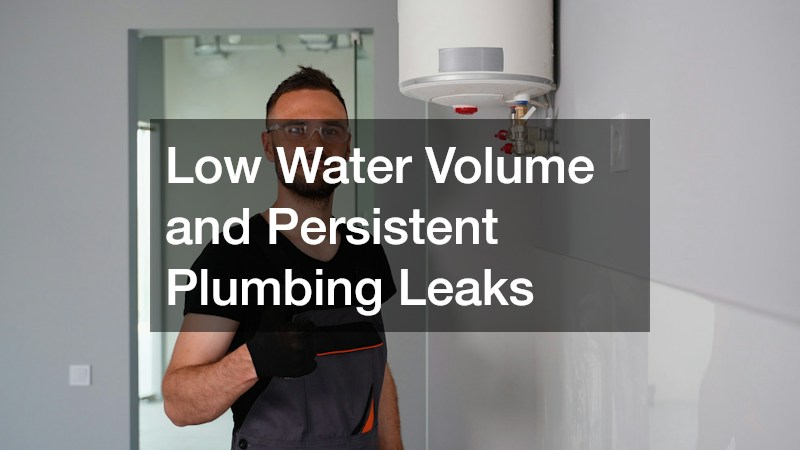
Dripping faucets, leaking fixture valves, and constant toilet running may seem like minor annoyances, but they waste thousands of gallons of water annually. Unresolved leaks elevate municipal utility bills, cause localized water damage, and indicate corroding metal pipes or failing pressure regulators throughout the home. High water pressure can gradually weaken pipe joints across hidden wall cavities, increasing the vulnerability of older copper or galvanized plumbing systems.
Symptoms of internal plumbing degradation:
- Constant ticking or water movement sounds when fixtures are off
- Visible corrosion or mineral buildup on exposed pipe joints
- Damp cabinet bases beneath sink drain traps
Addressing fixture leaks promptly protects cabinetry, prevents subfloor rot, and keeps utility expenses controlled. Engaging licensed plumbers guarantees accurate diagnostic evaluation, professional pipe replacement, and reliable domestic plumbing operation.
11. Soil Erosion and Poor Yard Drainage
Heavy rainfall can strip away protective topsoil around home foundations, exposing subterranean footings and creating steep channels where runoff pools near structural bases. Uncontrolled surface water accelerates foundation settling, damages landscaping features, and floods low-lying outdoor spaces during heavy storms. Persistent pooling near structural perimeters also drowns turfgrass and creates breeding grounds for unwanted insects throughout warmer months.
Effective yard stabilization strategies include:
- Installing retaining walls to hold back sloped garden beds
- Regrading soil to direct rainwater away from foundation walls
- Adding permeable aggregate bases to improve soil drainage capacity
Implementing targeted landscape drainage controls directs runoff safely into designated discharge zones. Ordering a bulk rock delivery provides the heavy materials needed to build French drains, stabilize washed-out slopes, and protect structural foundations from water damage.
12. Proactive Approaches to Protecting Your Property Value

Maintaining a safe, fully operational home requires continuous observation, regular preventive servicing, and swift action when unexpected system defects emerge. Every structural, mechanical, and infrastructural component within a residence has a finite lifespan, and ignoring subtle operational shifts almost always leads to complicated, costly structural repairs. By performing routine seasonal walkthroughs, checking hidden utility areas, and paying close attention to unexpected sounds, odors, or visual shifts, you can identify minor issues before they compromise safety or comfort. Keeping meticulous records of home repairs also provides valuable documentation when applying for insurance coverage or preparing a property for eventual resale.
Partnering with qualified trade professionals ensures that structural repairs are completed accurately, safely, and in full compliance with local building codes. While simple maintenance tasks like changing furnace filters, clearing surface debris from gutters, and sealing minor grout lines can easily be managed by homeowners, complex mechanical, subterranean, and structural interventions demand specialized tools and technical expertise. Establishing working relationships with trusted local specialists allows you to address unexpected maintenance events quickly, minimizing property damage and keeping household systems functioning smoothly year-round. These ongoing professional connections often prove invaluable when navigating emergency servicing needs after severe weather events.
Ultimately, investing time, attention, and resources into proactive home care yields immense long-term returns in property value, operational efficiency, and overall quality of life. A well-maintained residence offers superior energy efficiency, healthier indoor air quality, and protection against extreme weather events. By committing to systematic maintenance and listening to the subtle warning signs your home provides, you safeguard your financial investment and ensure your living space remains a comfortable, secure sanctuary for decades to come.