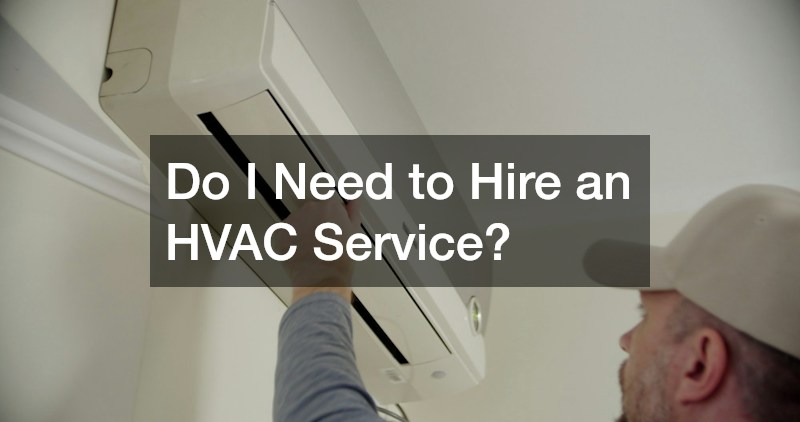
Hiring a plumber is a crucial decision to ensure the smooth functioning of your home’s plumbing system. Asking the right questions is vital in selecting a plumber who can deliver quality service and prevent potential disasters. Whether you’re dealing with a minor leak or a major renovation, vetting your plumber through insightful questions can safeguard your home and investment.
Homeowners often underestimate the importance of vetting plumbers before hiring them. Without a clear understanding of a plumber’s capabilities, you risk hiring an unqualified contractor who might exacerbate plumbing issues. Therefore, knowing what to ask can save you time, money, and stress in the long run.
The process of hiring a plumber should involve more than just a quick internet search. Comprehensive questioning allows you to gauge a plumber’s expertise, service offerings, and reliability. By being thorough, you ensure that your plumbing problems are addressed professionally, safeguarding the longevity of your home’s plumbing system.
1. What Experience and Qualifications Do You Have?
Experience and qualifications are critical indicators of a plumber’s ability to perform their job efficiently. A seasoned plumber is familiar with a broad range of plumbing problems and knows how to address them effectively. It’s essential to inquire about their years in the business and any certifications or apprenticeships they have completed. More experienced plumbers can often diagnose and solve problems faster, which can save you time and money. Additionally, verifying their qualifications ensures that the plumber adheres to local compliance laws and installation codes.
When discussing experience, understanding the variety of projects they have tackled can be enlightening. Plumbers who have completed extensive training are better equipped to handle both expected and unforeseen challenges. Asking about their experience with specific plumbing systems or issues similar to yours can give you confidence that they are the right fit for the job. Furthermore, experienced plumbers are likely to have fine-tuned their skills, resulting in fewer errors and better quality work. Hence, their experience directly influences their reputation and the likelihood of satisfactory service delivery.
Besides experience, checking up on any plumbing certifications they hold is crucial. Certification from a recognized trade association demonstrates a commitment to staying updated with the latest techniques and technologies. These certifications often require ongoing education and testing, ensuring that the plumber’s skills don’t become obsolete. Make sure to verify these credentials, as they’re an excellent assurance of professionalism and competence. Proper qualifications coupled with proven experience can provide peace of mind, knowing that your plumbing issues are in capable hands.
2. What Services Do You Provide?
Understanding the scope of services a plumber provides can help you determine if they are the right fit for your needs. Many plumbers offer a general range of services, but some may specialize in areas such as new installations, repair work, or even commercial plumbing. Asking this question upfront helps to avoid any discrepancies later on, especially if your plumbing requirements are more specialized. It’s essential to ensure the plumber can perform the specific services you require, whether it’s routine maintenance, emergency repairs, or full-scale plumbing installations.
Furthermore, clarifying the range of services can help you determine whether the plumber can handle long-term projects or only quick fixes. A versatile plumber who offers comprehensive services can be a valuable asset, providing you with one-stop solutions. This versatility can also mean they are more adaptable in emergency situations, where rapid and multifaceted problem-solving skills are needed. Many homeowners prefer plumbers who can build a rapport over time, handling all sorts of plumbing needs as they arise. This approach not only fosters trust but also ensures consistency in service delivery.
It’s also beneficial to ask about any supplementary services they provide. Some services may include routine inspections or offer advice on plumbing maintenance and upgrade options. Understanding their full service list can open up possibilities for enhancing your home’s plumbing system beyond immediate repair needs. Additionally, plumbers who offer diagnostic services may provide valuable insights into the health of your plumbing infrastructure and potential areas for future concern. Ultimately, a plumber who provides diverse services can add substantial value to your home maintenance plan.
3. How Do You Charge for Services?
Cost transparency is paramount when hiring a plumber, and understanding their pricing structure upfront can alleviate future misunderstandings. It’s vital to ascertain whether they charge a flat rate or hourly, and if travel time is included in the costs. Many plumbers offer free quotes or estimates, but make sure to clarify what exactly is included in these projections. Discussing the possibility of any additional costs for complex jobs can prevent unpleasant surprises once the bill comes. Additionally, it’s wise to ask about their payment terms; whether they expect partial payment upfront or upon completion is worth knowing.
It is prudent to ask about any guarantee or refund policies in relation to their pricing. Some plumbers might offer a satisfaction guarantee where they amend work without additional charges if you are unsatisfied. Knowing if there are any penalties for changes or cancellations to appointments is also necessary information. A written estimate can provide you with a detailed breakdown of expected costs, serving as a basis for disputing any discrepancies. Transparency in pricing ensures you stay within your budget and further promotes trust in the plumber-client relationship.
Inquiring about potential discounts or promotional deals is also beneficial in managing overall project costs. Discounts might be available for first-time customers, referrals, or certain payment methods. These cost-saving opportunities add up over time, especially for recurrent or larger-scale plumbing projects. Also, find out if the plumber charges extra for emergency or after-hours services, ensuring you are prepared for unexpected situations. By having a clear understanding of service charges, you protect your budget while receiving high-quality plumbing services.
4. Do You Have Insurance?
Verifying a plumber’s insurance coverage is a critical step in safeguarding yourself from potential liabilities. Plumbing work can sometimes lead to unforeseen damages, and knowing the plumber is insured means incidents won’t become financially burdensome to you. A licensed plumber will typically have liability insurance, covering any property damage or injuries that could occur during the job. Workers’ compensation insurance is equally important, shielding you from claims if a worker is injured on your property. Peace of mind is crucial when inviting tradespeople into your home, and verifying insurance coverage can provide just that.
Insurance coverage can also be a measure of a plumber’s professionalism and adherence to industry standards. Plumbers who value their reputation and comply with regulations will always ensure their insurance policies are up to date. You can request to see a copy of their insurance certificate to make sure the coverage is valid and sufficient. This documentation should include details about coverage limits and expiry dates, thus giving you complete transparency. By confirming their insurance status, you prevent complications from arising in the event of accidents or mishaps during the service.
Additionally, comprehensive insurance coverage can protect your home and belongings. An uninsured plumber may offer reduced rates, but this comes with substantial risk. Choosing an insured contractor means you won’t have to deal with the financial ramifications of accidents, reinforcing a partner-plan approach to safeguarding your home. In some jurisdictions, carrying insurance is not only a best practice but a legal requirement. Hence, hiring an insured plumber assures compliance with industry norms, ensuring your home’s plumbing system remains protected.
5. How Do You Handle Warranties and Guarantees?
A warranty or guarantee can provide significant reassurance about the quality and longevity of a plumber’s work. This assurance implies that the plumber stands behind their services and products, offering to fix issues if they arise post-service. It’s essential to ask about the length and terms of any warranties provided, as well as what specific aspects of the work they cover. This insight can be particularly useful when investing in larger projects or complex installations, where the potential for defects is higher. Understanding the warranty process can help you quickly and efficiently address any issues without incurring additional costs.
Distinguishing between a manufacturer’s warranty on parts and a service guarantee on labor is crucial. Manufacturers’ warranties generally cover only parts used, warranting that they are free from defects for a specified period. Conversely, a service guarantee holds the plumber accountable for workmanship, offering to rectify any problems directly related to their labor. Determining the conditions of both types of warranties helps set realistic expectations in case of future issues. Knowing these details in advance facilitates smoother communication and quicker resolution of problems, should they arise.
Some plumbers may offer extended warranties for an additional cost, providing further peace of mind. These extended warranties can cover parts and labor well beyond the standard terms, acting as an added layer of protection for your investment. Before purchasing an extended warranty, thoroughly evaluate whether the additional coverage offers substantial benefits based on your project scope and value. Discussing the claim process and any associated fees upfront is equally important to avoid surprise expenses later on. A well-outlined warranty and guarantee policy assures you of skilled craftsmanship and gives you confidence in the service provider.
In conclusion, diligent vetting of plumbers through strategic questioning is imperative to ensure you receive reliable and competent service. By asking about experience, qualifications, services offered, pricing, insurance, and warranties, you equip yourself with insights necessary for making an informed decision. This process not only helps in selecting a trustworthy plumber but also protects your home and financial investment in the long term.
Each question serves a specific purpose, providing clarity and confidence that your plumbing needs are understood and capable of being met. Engaging in this thorough vetting process reduces the risk of hiring underqualified contractors who might turn your plumbing issues into larger disasters. It also encourages transparency, helping to build a rapport founded on trust and professionalism.
Ultimately, taking the time to engage in this process transforms what could be a stressful hiring endeavor into a constructive partnership. Ensuring your plumber is well-qualified and equipped to handle the task at hand ultimately safeguards your home’s plumbing system, ensuring functionality and peace of mind. Hence, never underestimate the power of informed questioning when it comes to selecting the right plumber for your home.